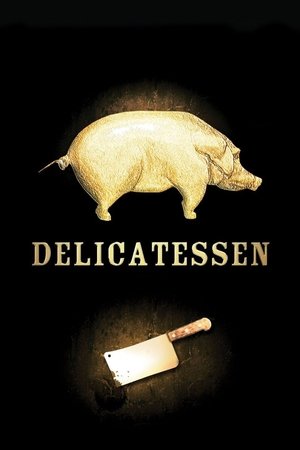
Delicatessen (1991)
★ 7.3 / 10
In a post-apocalyptic world, the residents of an apartment above the butcher shop receive an occasional delicacy of meat, something that is in low supply. A young man new in town falls in love with the butcher's daughter, which causes conflicts in her family, who need the young man for other business-related purposes.
Editorial Analysis
Film Commentary & Screenwriting Notes
Jean-Pierre Jeunet and Marc Caro burst onto the international cinema scene with Delicatessen, a dark, post-apocalyptic fable steeped in French comic strip aesthetics, Grand Guignol horror, and Marcel Carné’s poetic realism. Co-written with dialogue specialist Gilles Adrien, the screenplay relies heavily on meticulous visual choreography and rhythmic sound design rather than sprawling dialogue. When the characters do speak, their lines are sharp, dry, and laced with macabre black humor that reflects their desperate, meat-starved existence. Dominique Pinon brings an expressive, Buster Keaton-inspired physical vulnerability to Louison, grounding the dialogue with deadpan sincerity against Jean-Claude Dreyfus's bombastic, cleaver-wielding butcher. Shot almost entirely on soundstages in Pantin near Paris, the production overcame strict budgetary constraints by utilizing warm sepia tinting, wide-angle lenses, and intricate practical rigs. The celebrated cello-and-saw rooftop duet exemplifies the film's auditory architecture, where conversation frequently gives way to musicality. Delicatessen won four César Awards, including Best First Work and Best Writing, signaling the vibrant French visual revival of the 1990s and laying the stylistic groundwork for Jeunet's later global hit, Amélie.
Quotes from Delicatessen
"People dream because reality isn't enough."
Scene Context: Louison reflects on his former life as a circus clown while sharing an intimate musical moment with Julie inside her cluttered apartment room.
"Life continues even at the end of the world."
Scene Context: Julie offers quiet comfort to Louison over lukewarm tea, acknowledging their shared loneliness within the decaying, cannibalistic tenement building.
"Everyone is hungry for something."
Scene Context: The ruthless butcher justifies his predatory trade while sharpening his cleaver, observing the desperate, ravenous tenants awaiting their scheduled rations.
"The strongest survive. The lucky survive longer."
Scene Context: Clapet asserts his violent authority across the butcher shop counter, reminding an anxious tenant why obedience ensures survival in the wasteland.
"Hope is a strange meal."
Scene Context: Louison muses bittersweetly to Julie on the apartment rooftop about sustaining optimism when everyday sustenance has completely vanished from Paris.
"Civilisation is thinner than soup."
Scene Context: Clapet dismisses conventional human morality while carving portions of flesh in the cellar, rationalizing his grim slaughterhouse methods to an uneasy resident.