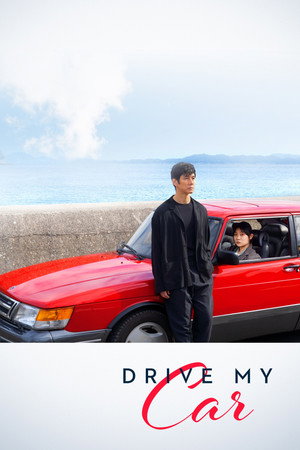
Drive My Car (2021)
★ 7.4 / 10
Yusuke Kafuku, a stage actor and director, still unable, after two years, to cope with the loss of his beloved wife, accepts to direct Uncle Vanya at a theater festival in Hiroshima. There he meets Misaki, an introverted young woman, appointed to drive his car. In between rides, secrets from the past and heartfelt confessions will be unveiled.
Editorial Analysis
Film Commentary & Screenwriting Notes
Ryusuke Hamaguchi and co-writer Takamasa Oe expanded Haruki Murakami's forty-page short story into a three-hour exploration of grief, artistic discipline, and linguistic barriers. A defining screenwriting choice is Hamaguchi's incorporation of multilingual theater rehearsals, in which actors practice Anton Chekhov's Uncle Vanya across Japanese, Mandarin, Tagalog, and Korean Sign Language. Hamaguchi employed Jean Renoir's rehearsal technique, having his cast read dialogue repeatedly without inflection for weeks before cameras rolled. This monotone preparation strips false theatricality from the text, ensuring that when emotional ruptures arrive—particularly during nocturnal conversations inside the red Saab 900—they land with startling vulnerability. Cinematographer Hidetoshi Shinomiya framed the car against muted Hiroshima highways, transforming the moving interior into a private confessional booth where intimacy evolves without eye contact. Premiering at the 2021 Cannes Film Festival, where it secured Best Screenplay, the film achieved unprecedented critical momentum, becoming the first Japanese production nominated for the Academy Award for Best Picture while winning Best International Feature. Its widespread reception demonstrated that patient, literary drama could still command global arthouse attention.
Quotes from Drive My Car
"No matter how honestly we live, we can never fully understand another person."
Scene Context: During a late-night drive, Takatsuki challenges Kafuku's assumptions about his deceased wife, urging him to confront his own inner darkness rather than judging others.
"We only see what we're prepared to see."
Scene Context: Kafuku reflects on his blind spots regarding his marriage while analyzing the intricate, layered motivations of Chekhov's characters during the Hiroshima theater residency.
"The truth survives silence."
Scene Context: Misaki speaks of withholding painful memories about her mother, recognizing that unspoken grief still retains its quiet, undeniable power over their daily lives.
"Living means carrying contradictions."
Scene Context: Takatsuki defends Oto's complex emotional life during an intimate confession, explaining that love and infidelity can co-exist within the very same human heart.
"Grief changes shape but never disappears."
Scene Context: Kafuku shares an honest moment of reconciliation with Misaki amid the snowbound ruins of Hokkaido, finally accepting his persistent guilt over Oto's sudden death.