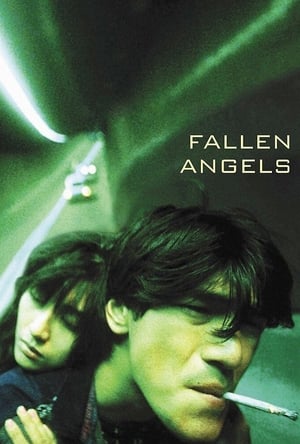
Fallen Angels (1995)
★ 7.7 / 10
An indifferent hitman, his infatuated business partner and an ex-convict search for love and meaning as their lives cross paths in Hong Kong.
Editorial Analysis
Film Commentary & Screenwriting Notes
Originally conceived as the abandoned third segment of Chungking Express, Wong Kar-wai’s Fallen Angels trades sunlit daydreams for nocturnal neon and manic melancholia. Wong bypassed traditional screenwriting structures, assembling the narrative through impressionistic scene outlines, spontaneous improvisation, and reflective voiceover monologues written hours before recording. This technique relies on internal musings rather than direct character confrontation, capturing how urban dwellers inhabit private emotional silos even when physically adjacent.
Cinematographer Christopher Doyle pushed this isolation visually with extreme ultra-wide 6.5mm lenses, distorting facial geometry and separating characters from their claustrophobic surroundings. The dialogue delivery reflects this spatial estrangement. Leon Lai infuses his hitman with passive nonchalance, while Michelle Reis conveys predatory desire and heartbreak through murmured, smoke-veiled reflections. Takeshi Kaneshiro, performing as a mute who communicates through expressive physical comedy and retrospective narration, brings eccentric warmth to the otherwise bleak nightscape.
Production took place during grueling night shoots across Hong Kong's Tsim Sha Tsui and underground transit corridors, wrapping just before dawn. Today, Fallen Angels stands as a defining stylistic artifact of 1990s world cinema, influencing music video aesthetics and indie filmmaking through its kinetic editing, ambient pop soundtrack, and poetic exploration of transient metropolitan souls.
Quotes from Fallen Angels
"Some people never know when to say goodbye."
Scene Context: This introspective voiceover underscores her inability to let go of her professional and romantic obsession with her elusive hitman colleague.
"People keep coming and going."
Scene Context: He Zhiwu delivers this voiceover observation while wandering Hong Kong's midnight streets, reflecting on the impermanence of human encounters in the bustling metropolis.
"Loneliness is something you get used to."
Scene Context: Spoken during her solitary routine cleaning Wong's apartment, this line highlights her resignation to living vicariously through another person's private space.
"The night belongs to people like us."
Scene Context: The hitman reflects on his nocturnal existence in voiceover while drifting through the neon-soaked streets after completing a violent contract killing.
"I don't know what tomorrow will bring."
Scene Context: Zhiwu narrates this thought while navigating his bizarre night gigs, capturing the existential aimlessness shared by the film's drifting urban characters.
"Loneliness can make a crowded city feel empty."
Scene Context: This voiceover articulates the central emotional paradox of the narrative as she navigates dense public spaces feeling completely detached from everyone around her.