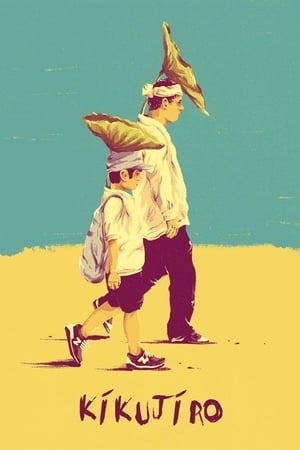
Kikujiro (1999)
★ 7.5 / 10
Brash, loudmouthed and opportunistic, Kikujiro is the unlikely companion for Masao who is determined to see the mother he has never met. The two begin a series of adventures which soon turns out to be a whimsical journey of laughter and tears with a wide array of surprises and unique characters along the way.
Editorial Analysis
Film Commentary & Screenwriting Notes
Following the critical acclaim of Hana-bi, Takeshi Kitano surprised international audiences by pivoting away from violent yakuza tropes to direct Kikujiro, a sun-drenched picaresque road comedy. The screenplay relies on an episodic, diary-like structure segmented by Masao’s summer vacation scrapbook, contrasting deadpan visual gags with poignant character beats. Kitano famously gave the titular character the real name of his own estranged, abusive father, turning a lowbrow surrogate parent narrative into a subtle exercise in personal exorcism. Dialogue in the film is deliberately sparse, relying on Kitano’s signature cadence—brusque insults punctuated by long, uncomfortable pauses, delivered through his trademark involuntary facial tics and slouched posture. Much of the seaside playtime featuring the biker duo and the wandering poet was loosely scripted, encouraging physical improvisation that mirrors classic silent slapstick and traditional manzai comedy routines. Joe Hisaishi’s iconic minimalist piano score, led by the track "Summer," elevates the lightweight roadside encounters into profound emotional milestones. Decades after its Cannes premiere, Kikujiro endures as Kitano's gentlest cinematic triumph, proving his mastery over tone by dismantling machismo through the tender vulnerability of play.
Quotes from Kikujiro
"Growing up means learning disappointment."
Scene Context: Kikujiro offers this blunt perspective to shield young Masao after they discover his mother has happily moved on with an entirely different family.
"The journey matters more than the destination."
Scene Context: This reflective observation summarizes Kikujiro's quiet realization that their chaotic summer detours provided the emotional healing the boy needed more than the reunion.
"People are kinder than they appear."
Scene Context: Kikujiro remarks on the surprising warmth shown by the eccentric bikers and drifters who band together to invent absurd games for Masao's amusement.