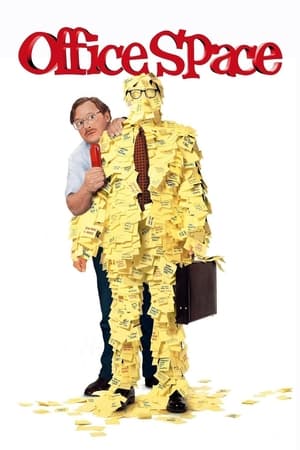
Office Space (1999)
★ 7.4 / 10
A depressed white-collar worker tries hypnotherapy, only to find himself in a perpetual state of devil-may-care bliss that prompts him to start living by his own rules, and hatch a hapless attempt to embezzle money from his soul-killing employers.
Editorial Analysis
Film Commentary & Screenwriting Notes
Adapted from Mike Judge’s animated Milton shorts on MTV and Saturday Night Live, Office Space captured the deadening absurdity of late-nineties tech-sector cubicle farms with razor-sharp satirical precision. Judge grounded the comedy in hyper-specific workplace grievances—from cryptic printer error codes to passive-aggressive management memos—anchored by Gary Cole’s iconic performance as Bill Lumbergh. Cole crafted Lumbergh's drawn-out vocal cadence, endless coffee sipping, and monotone delivery largely from rhythmic choices on set, turning mundane bureaucratic jargon into comedic gold. Meanwhile, Stephen Root gave Milton Waddams an eerie, mumbling pathos that resonated so deeply that Swingline actually began manufacturing red staplers after fans flooded office supply stores requesting them. Though the film underperformed theatrically, earning just over ten million dollars against an indifferent studio marketing campaign, home video and television reruns elevated it to cult classic status. Judge’s screenplay avoids zany farce in favor of bone-dry behavioral observation, making Peter Gibbons’ radical apathy feel genuinely liberating. Decades later, lines about TPS reports and Monday morning platitudes remain instant shorthand across modern corporate culture, proving that few satires have skewered the misery of the nine-to-five existence with such enduring accuracy.
Quotes from Office Space
"Sounds like somebody's got a case of the Mondays"
Scene Context: Nina chirps this relentlessly upbeat cliché over the cubicle divider, perfectly encapsulating the forced cheerfulness and toxic positivity that drives Peter toward complete professional burnout.
"Sounds like somebody's got a case of the Mondays."
Scene Context: A cheerful coworker repeatedly torments Peter with this grating corporate pleasantry, highlighting the superficial workplace interactions that push him to undergo hypnotherapy.
"PC Load Letter? What the fuck does that mean?"
Scene Context: Michael screams this in utter exasperation at a malfunctioning office printer, setting up the trio's iconic slow-motion destruction of the machine in an open field.
"We're going to need to talk about your TPS reports."
Scene Context: Smug division vice president Lumbergh corners Peter at his desk with a coffee mug in hand, embodying the suffocating micro-management of Initech's passive-aggressive corporate bureaucracy.
"That's my stapler."
Scene Context: Milton mumbles this grievance repeatedly after Lumbergh confiscates his prized red Swingline stapler, planting the seeds for Milton's eventual fiery revenge against Initech.
"I did absolutely nothing, and it was everything I thought it could be."
Scene Context: Peter proudly describes his weekend of glorious non-productivity to his neighbor Lawrence after an occupational hypnotherapy session permanently cures him of work anxiety.
"PC Load Letter? What the hell does that mean?"
Scene Context: In this broadcast-friendly version of the line, Michael vents his furious frustration at the cryptic error message displayed by Initech's perpetually jammed office printer.
"I did absolutely nothing and it was everything I thought it could be."
Scene Context: Peter explains to his neighbor Lawrence how liberating it felt to abandon all professional obligations, marking the start of his unapologetic rebellion against corporate conformity.