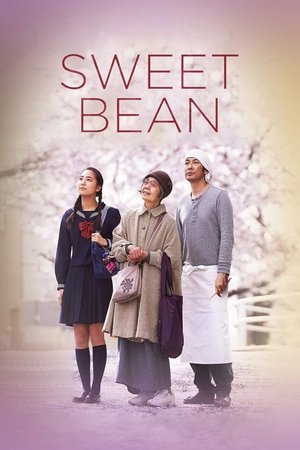
Sweet Bean (2015)
★ 7.5 / 10
The master of a dorayaki pastry store hires a 76-year-old woman whose talents attract customers from all over. But she's hiding a troubling secret. Life's joys are found in the little details, and no matter what may be weighing you down, everyone loves a good pastry.
Editorial Analysis
Film Commentary & Screenwriting Notes
Adapted from Durian Sukegawa’s novel by writer-director Naomi Kawase, Sweet Bean (An) marries documentary-like naturalism with quiet social commentary. Kawase centers the screenplay on the patient discipline of preparing azuki red bean paste, transforming culinary craft into contemplative drama. Kirin Kiki’s luminous, gentle performance as Tokue grounds the film, delivering understated dialogue that balances the taciturn despair of Masatoshi Nagase’s Sentaro. Adding an intimate layer behind the scenes, Tokue’s young friend Wakana was portrayed by Kiki’s real-life granddaughter, Kyôra Uchida. Beyond its sensory aesthetic, the narrative carries sharp historical resonance by addressing Japan’s lingering stigmatization and state-mandated segregation of individuals with Hansen’s disease under laws that stood until 1996. Kawase deliberately favors atmospheric soundscapes—simmering syrup, bird calls, and rustling cherry blossoms—over manipulative musical cues. Kiki’s unhurried mannerisms and lyrical cadence give authentic weight to Tokue’s worldview, converting what could have been a conventional redemption arc into a delicate tribute to unseen lives. Internationally premiered at Cannes in the Un Certain Regard section, the picture remains a benchmark for sensory Japanese storytelling.
Quotes from Sweet Bean
"We are here to listen to the world."
Scene Context: Tokue explains her spiritual outlook on life and nature through an audio letter left for Sentaro after leaving the dorayaki shop.
"Everyone has something to teach."
Scene Context: Tokue gently persuades a skeptical Sentaro to hire her by expressing her respect for ordinary craftsmanship and lifelong learning.
"To live is to notice."
Scene Context: Tokue teaches Sentaro to slow down and observe the subtle shifts in the bubbling beans and natural elements around them.
"The wind carries stories."
Scene Context: Tokue stands beneath the blossoming trees and tells Sentaro how she senses the unseen journeys of the wind and natural world.
"There is dignity in simple things."
Scene Context: Tokue shares her philosophy on treating the red beans with meticulous reverence during their early morning sweet paste preparation.