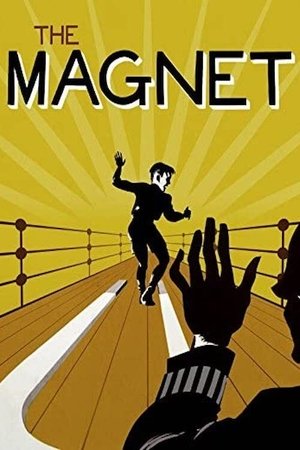
The Magnet (1950)
★ 6.4 / 10
A classic Ealing comedy in which a young boy steals a magnet and becomes a hero.
Editorial Analysis
Film Commentary & Screenwriting Notes
Written by veteran Ealing Studios scribe T.E.B. Clarke and directed by Charles Frend, The Magnet stands out as one of the studio's sharpest satires of post-war British domesticity and pop psychology. The narrative pivots on a quintessential Clarke contrivance: an ordinary act of childhood bartering snowballs through guilt and public gossip into civic mania. Ten-year-old Johnny, portrayed with striking naturalism by James Fox in his screen debut (credited as William Fox), cons a younger boy out of a novelty magnet, only to believe his guilty conscience has made him a hunted fugitive. Stephen Murray delivers crisp, dry comedic work as Johnny’s father, an armchair child psychologist whose diagnostic jargon continuously blinds him to the actual truth. Rather than confining the misadventure to soundstages, Frend shot extensive location footage across Liverpool and the Wirral Peninsula, lending bomb-damaged docklands and seaside piers a vivid, documentarian texture. Though often overshadowed by Clarke’s flashier capers, The Magnet endures as an uncommonly perceptive portrait of moral panic, deftly puncturing adult pomposity while granting childhood anxiety real weight.
Quotes from The Magnet
"A small gift can become a much larger responsibility."
Scene Context: Dr. Brent ponders the psychological weight of Johnny's charity donation, entirely misreading the boy's lingering feelings of guilt as sophisticated civic responsibility.
"A child's curiosity can set a whole town talking."
Scene Context: Mrs. Brent reacts with bemusement as neighborhood gossip regarding Johnny's unusual behavior escalates into an exaggerated community concern across the seaside suburb.
"Doing the right thing gets harder when everyone wants a different answer."
Scene Context: Johnny expresses his growing distress after his attempt to rid himself of the ill-gotten magnet accidentally turns him into an acclaimed civic hero.
"A little object can attract a surprising amount of trouble."
Scene Context: Johnny's father remarks on the bizarre chain of events after learning how a simple toy magnet triggered an elaborate series of misunderstandings.
"A good deed may need more explaining than you expect."
Scene Context: Mrs. Brent tries to comfort her confused son as well-meaning townsfolk scrutinize his anonymous donation to the local hospital's iron lung appeal.